The Journey of a Plastic Bottle Made in Green Bay
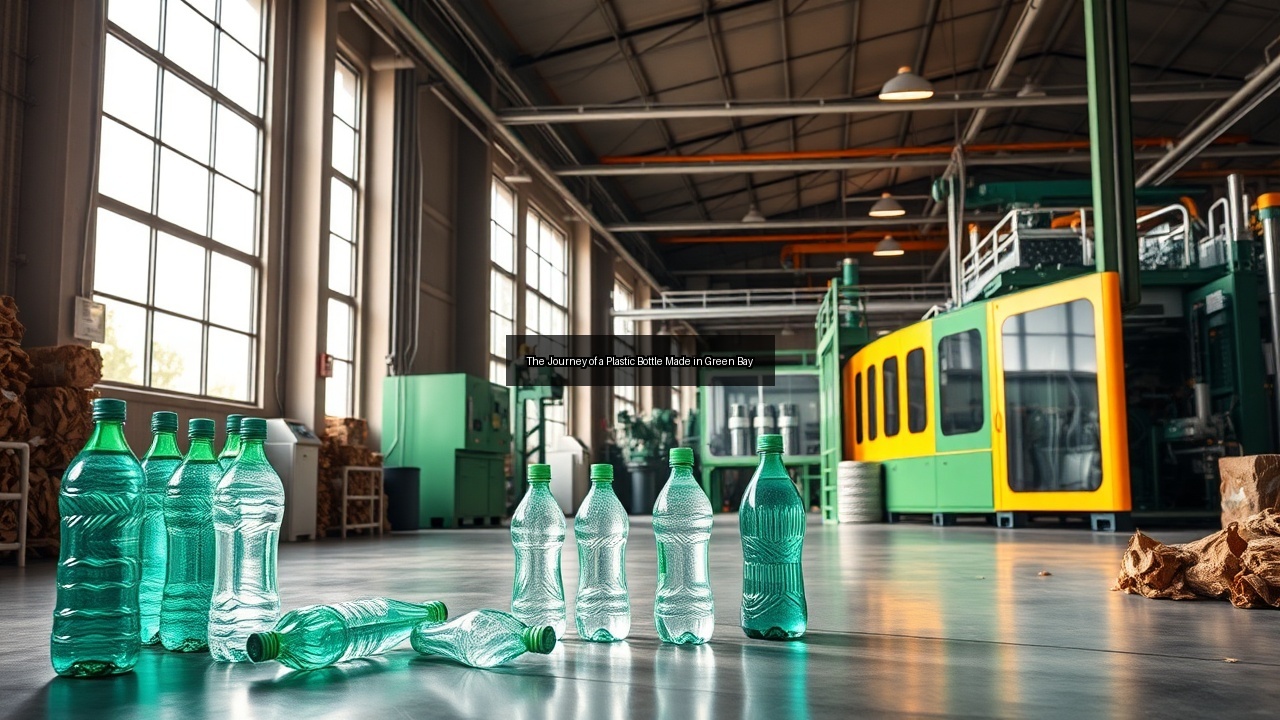
The Lifecycle of a Plastic Bottle in Green Bay
Understanding Blow Molding
Green Bay plastics manufacturers rely on blow molding to shape durable bottles from heated plastic. This process starts with a parison, a tube of molten material, that workers inflate inside a mold to form the final container shape. Blow molded techniques produce everything from water bottles to motor oil containers with precision and speed. Local facilities in Green Bay apply this method daily to meet demand from brands across the USA. The equipment runs on controlled heat and air pressure, ensuring consistent wall thickness that prevents leaks. Operators monitor every cycle to maintain quality standards that keep Green Bay plastics competitive in national markets.
Engineers fine-tune parameters like temperature and mold pressure to handle different resins effectively. This attention to detail allows Green Bay plastics operations to create lightweight yet strong bottles that brands prefer for packaging. Workers inspect finished items on the production floor before they move to filling lines. The entire sequence transforms raw pellets into ready-to-use containers in minutes. Companies document each step with detailed information for traceability and compliance. Such practices highlight why Green Bay remains a hub for reliable blow molded products made in the USA.
From Raw Material to Finished Product
Plastic bottle production in Green Bay begins with resin pellets delivered to manufacturing plants. Workers feed these materials into extruders that melt and shape them into preforms. The preforms then enter blow molding machines that expand them into full bottles suitable for water, motor oil, or other liquids. Green Bay plastics facilities track every batch to ensure purity and strength. This controlled flow from pellet to packaged item supports efficient output for major corporations.
Once molded, bottles receive caps, labels, and quality checks on the factory floor. Teams test for defects before shipping products nationwide. The process integrates energy-efficient heaters that reduce overall consumption while maintaining high throughput. Brands count on this reliable supply chain from Green Bay to stock shelves across the USA. Documentation at each stage provides the information needed for audits and improvements. Greenbayplastics operations continue to refine these steps to deliver consistent results.
Manufacturing Process of Plastics in Green Bay
The Role of HDPE in Bottle Production
HDPE serves as the primary resin for many plastic bottles produced in Green Bay. This material offers excellent strength, chemical resistance, and recyclability that suits packaging for water and motor oil. Manufacturers select HDPE because it withstands temperature changes and maintains clarity or color as required by brands. Green Bay plastics plants process HDPE pellets through extrusion and blow molding lines that run continuously. The resin melts at precise temperatures to form uniform walls that protect contents during transport and storage.
Local companies appreciate HDPE for its balance of durability and light weight, which lowers shipping costs. Workers handle the material with care to avoid contamination on the production floor. Green Bay facilities maintain strict inventory controls to keep HDPE supplies steady for high-volume orders. Brands specify HDPE because it meets food-grade standards when needed and supports sustainability goals through repeated recycling. Every bottle made from this resin carries the familiar recycling symbol that guides consumers toward proper disposal. GB plastics operations demonstrate how HDPE drives consistent output in the region.
Energy Consumption in Plastics Manufacturing
Plastics manufacturing in Green Bay requires careful management of energy to power extruders, molds, and conveyors. Facilities monitor electricity and natural gas use throughout each shift to identify savings opportunities. Modern equipment in Green Bay plastics plants incorporates efficient motors and insulation that cut consumption without slowing production. Operators adjust settings based on real-time data to avoid unnecessary heat loss during blow molding cycles.
Energy tracking helps companies maintain competitive costs while meeting output targets for bottles and other packaging. Green Bay manufacturers invest in upgrades that lower carbon output from their operations. These improvements support broader sustainability targets set by corporations that source products locally. Workers receive training on best practices that reduce waste and optimize machine runtime on the factory floor. Detailed logs provide the information needed to refine processes further. Greenbayplastics sites balance high production volumes with responsible energy use every day.
Sustainability and Recycling Initiatives
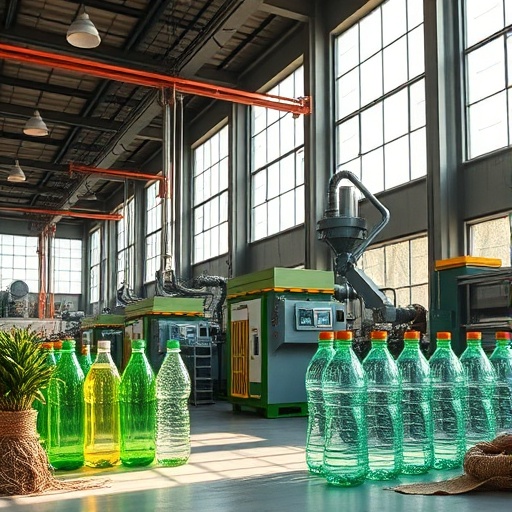
The Importance of Plastic Recycling
Plastic recycling plays a central role in extending the life of materials used by Green Bay plastics manufacturers. Collected bottles return to processing centers where they are sorted, cleaned, and reprocessed into new resin pellets. This loop reduces the need for virgin materials and supports brands that prioritize recycled content in their packaging. Green Bay facilities incorporate recycled HDPE into select product lines without compromising strength or appearance.
Communities benefit when local recycling programs feed material back into regional manufacturing. Consumers who place bottles in collection bins help close the loop that keeps plastics out of landfills. Companies in Green Bay track recycled content percentages to meet corporate goals and customer expectations. The process requires clean streams of input to produce high-quality output suitable for water bottles and motor oil containers. Education efforts in the area encourage proper sorting that improves overall recovery rates. Green Bay plastics operations demonstrate practical steps that make plastic recycling economically viable.
Corporate Responsibility in Green Bay
Corporations operating in Green Bay accept responsibility for the full lifecycle of their plastic products. They invest in closed-loop systems that recover bottles from the market and return them to production lines. These efforts include partnerships with haulers and processors that handle material from collection points across the USA. Green Bay plastics companies publish annual reports that detail progress on waste reduction and resource efficiency.
Leadership teams set measurable targets for recycled content and energy reduction that guide daily decisions on the manufacturing floor. Employees participate in training that emphasizes sustainable practices at every stage of bottle creation. Brands that source from Green Bay value this commitment because it aligns with consumer expectations for responsible packaging. The focus on accountability strengthens relationships with local stakeholders who support continued operations in the region.
Innovative Recycling Programs
Innovative recycling programs in Green Bay introduce advanced sorting technology that separates resins more accurately than older methods. Facilities use optical scanners and air classifiers to process mixed plastic streams into clean fractions ready for re-extrusion. These upgrades allow Green Bay plastics manufacturers to accept a wider range of post-consumer bottles while maintaining quality standards. Pilot projects test chemical recycling approaches that break polymers down to basic building blocks.
Local corporations fund collection drives that increase participation rates in surrounding neighborhoods. The resulting material flows back into blow molded products that brands place on retail shelves. Green Bay teams share best practices with other manufacturers to scale successful initiatives nationwide. Continuous improvement keeps these programs responsive to changes in packaging design and consumer habits. Greenbayplastics sites lead by example in turning recovered plastic into new value.
Impact on the Environment and Community
Carbon Footprint of Plastic Production
Plastic production in Green Bay generates a measurable carbon footprint that facilities work to minimize through process improvements. Energy-efficient machinery and optimized heating cycles reduce emissions associated with melting and forming HDPE. Companies calculate the footprint of each bottle from resin production through final packaging to identify reduction opportunities. Green Bay plastics operations track progress against internal benchmarks that support broader corporate climate goals.
Transportation of finished bottles to distribution centers adds to the total impact, prompting some manufacturers to source resins closer to their plants. Workers on the floor implement small changes that accumulate into meaningful savings over time. These measures help Green Bay maintain its role as a production center while addressing environmental concerns. Transparent reporting provides the information customers need when evaluating supplier choices.
Supporting Local Economies through Green Bay Plastics
Green Bay plastics manufacturing supports hundreds of jobs that range from machine operators to quality technicians. Local suppliers provide resins, equipment maintenance, and logistics services that keep money circulating within the community. Companies invest in workforce training programs that prepare residents for careers in plastics production and related fields. The steady demand for bottles and packaging creates stable employment that benefits families across the region.
Green Bay facilities contribute to tax revenues that fund schools and infrastructure improvements. Partnerships with schools introduce students to manufacturing careers through plant tours and internships. This economic activity strengthens the overall vitality of Green Bay while delivering made in the USA products to national markets. Corporations recognize the value of maintaining strong ties to the communities where they operate.
Future of Plastics in Green Bay
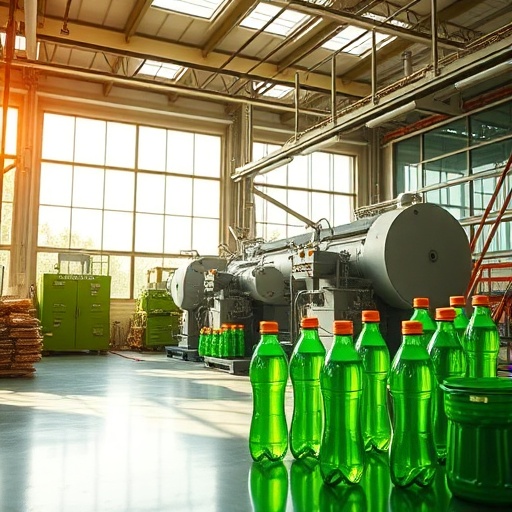
Trends in Eco-Friendly Packaging
Eco-friendly packaging trends influence how Green Bay plastics companies design future bottles. Lightweighting reduces material use per unit while maintaining performance for water and motor oil containers. Brands request higher percentages of post-consumer recycled content that manufacturers now incorporate routinely. Green Bay facilities test new resin blends that preserve barrier properties needed for shelf-stable products.
Design teams focus on features that simplify consumer recycling, such as removable labels and single-resin construction. These changes align with shifting regulations and retailer requirements across the USA. Green Bay plastics operations stay ahead by investing in equipment capable of handling next-generation materials. Continued innovation keeps the region competitive in a market that values both functionality and environmental performance.
The Role of Corporations in Advancing Sustainability
Corporations drive sustainability advances by setting ambitious targets that Green Bay plastics suppliers must meet. They fund research into bio-based resins and improved recycling technologies that lower overall environmental impact. Local manufacturers collaborate on pilot lines that produce bottles with reduced carbon intensity. These partnerships accelerate the adoption of practices that benefit the entire supply chain.
Green Bay companies participate in industry coalitions that share data and best practices on energy management and material recovery. The combined efforts position the region as a leader in responsible plastics production. Brands that work with these facilities gain access to packaging solutions that satisfy both performance needs and sustainability commitments. Ongoing investment ensures Green Bay remains central to the evolution of the plastics sector.
See Also
- How Green Bay Plastics is Shaping Corporate Sustainability in the USA
- The Future of Energy Efficient Plastics from Green Bay
- How Green Bay Plastics is Leading the Charge in Sustainable Packaging
- From Bottles to Floors The Versatility of Green Bay Plastics
- Green Bay Plastics A Sustainable Solution for Motor Oil Packaging