Revolutionizing Precision with 5 Axis Laser Cutting in Metal Fabrication
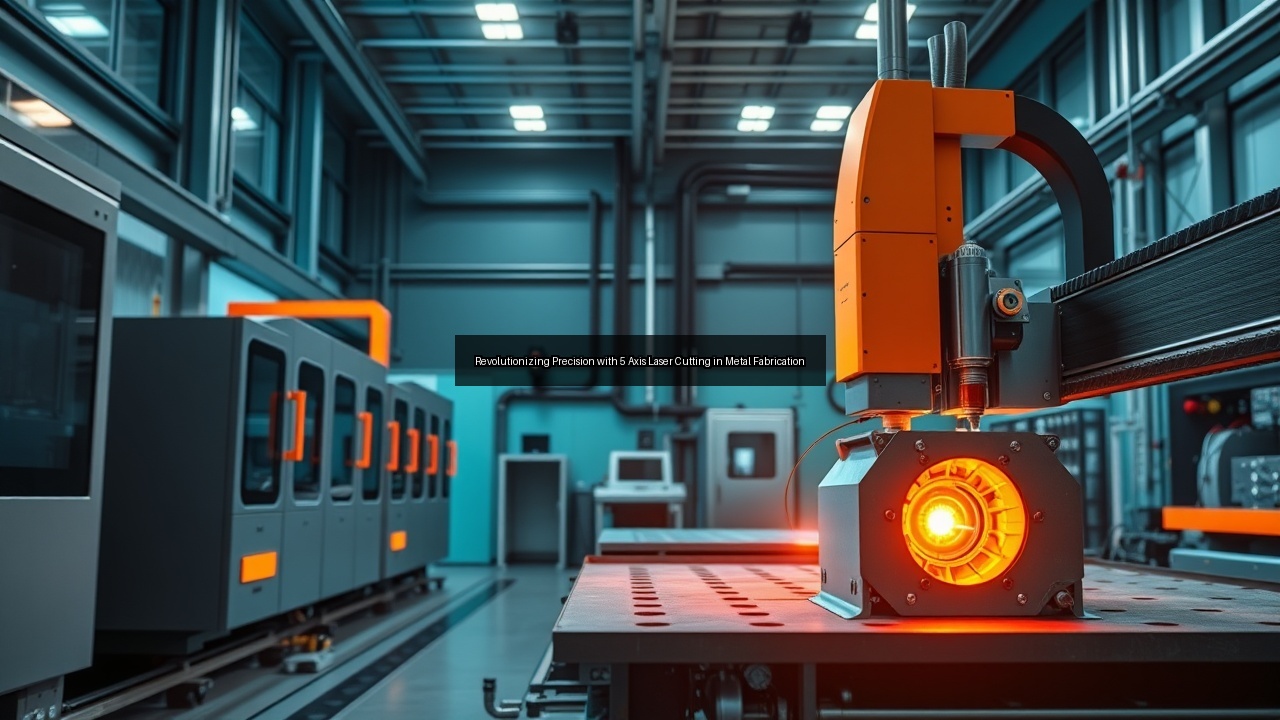
The Evolution of Laser Cutting Technology
From Traditional to 5 Axis Laser Cutting
Laser cutting technology has undergone significant transformations since its inception. Initially, traditional laser cutting focused on two-dimensional designs, which limited the complexity and versatility of the cuts. The introduction of 5 axis laser cutting marked a revolutionary shift in the capabilities of laser-cut processes. This technology enables precise manipulation of the laser head in multiple directions, allowing for intricate geometries and contours that were previously unattainable. The adaptability of 5 axis laser cutting enhances the production of complex components in various industries, paving the way for innovative designs in metal fabrication.
The Role of CNC Machining in Advancing Laser Technology
CNC machining plays a pivotal role in the evolution of laser cutting technology. Computer Numerical Control (CNC) systems integrate with laser cutting machines to provide unparalleled precision and efficiency. CNC programming allows operators to dictate the exact movements of the laser cutter, ensuring consistency across batches. This synergy between CNC machining and laser cutting technology empowers manufacturers to produce high-quality laser cuts with minimal human intervention. As a result, 5 axis laser cutting becomes more reliable, leading to advancements in metal fabrication processes that demand accuracy and repeatability.
Innovations in Laser Cutting Equipment
The landscape of laser cutting equipment continues to evolve, with manufacturers investing in advanced technology to enhance performance. Innovations include high-powered fiber lasers, which provide greater efficiency and speed compared to traditional CO2 lasers. These modern laser cutters not only optimize the cutting process but also reduce operational costs associated with energy consumption and maintenance. Furthermore, the development of advanced software for laser cutting machines streamlines the programming and operational processes, allowing for easier integration into existing metal fabrication workflows. This constant innovation ensures that 5 axis laser cutting remains at the forefront of engineering and manufacturing solutions.
Applications of 5 Axis Laser Cutting in Metal Fabrication
Precision Engineering in Metal Fabrication
5 axis laser cutting has become a cornerstone of precision engineering in metal fabrication. Industries requiring intricate designs, such as aerospace, automotive, and medical devices, rely heavily on this technology for its accuracy and flexibility. The ability to machine complex shapes and features in a single setup minimizes errors and reduces the need for secondary operations, ultimately saving time and resources. Moreover, the high level of detail achievable with 5 axis laser cutting allows engineers to push the boundaries of design, creating components that are both lightweight and structurally sound. This capability significantly enhances the overall quality of fabricated parts, making it an indispensable tool for engineers in the field.
HVAC Industry and Laser Cutting Services
The HVAC industry extensively utilizes 5 axis laser cutting services to manufacture components such as ducts, vents, and brackets. The precision of laser cuts ensures that parts fit seamlessly together, promoting efficient airflow and energy savings in heating and cooling systems. Additionally, the ability to create custom shapes and sizes quickly allows HVAC manufacturers to respond to specific project requirements without extensive lead times. By employing laser cutting technology, companies in the HVAC industry can optimize their production processes, reduce material waste, and improve overall product quality. The integration of 5 axis laser cutting into HVAC manufacturing processes showcases its versatility and effectiveness in addressing industry-specific challenges.
Utilizing 5 Axis Laser Cutting in Stamping Processes
Stamping processes benefit significantly from the integration of 5 axis laser cutting technology. Traditional stamping often requires complex tooling and dies, leading to high setup costs and lengthy production times. By incorporating laser cutting services, manufacturers can produce intricate designs with much lower upfront costs and faster turnaround. The flexibility of 5 axis laser cutting allows for on-the-fly adjustments to designs, enabling manufacturers to adapt to changing market demands. This capability not only streamlines production but also enhances the creative potential of stamping operations, allowing for unique designs that elevate products in a competitive marketplace.
The Benefits of 5 Axis Laser Cutting
Enhanced Precision and Accuracy
One of the standout benefits of 5 axis laser cutting is its unmatched precision and accuracy. The multi-directional capabilities of this technology allow for intricate cuts that traditional laser cutting methods cannot achieve. This level of precision is essential in industries like aerospace and medical device manufacturing, where even the smallest deviation can lead to significant issues. The accuracy of 5 axis laser cutting means that manufacturers can produce complex components with tight tolerances, ensuring that each part meets the stringent quality standards required in these sectors. The result is a seamless integration of parts in various assemblies and systems, enhancing overall product performance.
Reduced Waste and Material Costs
5 axis laser cutting significantly reduces material waste, a critical advantage in today’s eco-conscious manufacturing landscape. Traditional cutting methods often involve excess material that must be discarded, leading to increased costs and environmental impact. The efficiency of laser cutting minimizes kerf—the material removed by the laser—while maximizing material utilization. This reduction in waste translates to lower material costs and a more sustainable manufacturing process. Companies that adopt 5 axis laser cutting not only benefit from cost savings but also contribute to environmentally friendly practices, making it a win-win for both business and the planet.
Speeding Up Production with Advanced Software Integration
Advanced software integration plays a crucial role in enhancing the speed of 5 axis laser cutting operations. Modern laser cutting machines come equipped with sophisticated CAM (Computer-Aided Manufacturing) software that streamlines the design and cutting process. This software allows for quick adjustments to designs, optimizing cutting paths and reducing cycle times. Additionally, the automation capabilities of these systems minimize manual intervention, leading to faster production rates without sacrificing quality. As manufacturers look to meet growing demands for rapid delivery, the efficiency of 5 axis laser cutting becomes an essential factor in maintaining competitiveness in the market.
Choosing the Right Laser Cutting Service
Evaluating Laser Cutting Services for Your Project
Selecting the right laser cutting service is crucial for the success of your project. Factors to consider include the provider’s experience with 5 axis laser cutting technology, the range of materials they can work with, and their ability to handle custom designs. Look for companies that demonstrate a strong portfolio of past projects, showcasing their expertise and capabilities. Additionally, client testimonials and reviews can provide insight into their reliability and customer service. A thorough evaluation ensures that you partner with a laser cutting service that aligns with your project needs and can deliver high-quality results.
Understanding Different Laser Cutting Machines
Familiarity with various types of laser cutting machines is essential when choosing a service provider. Different machines utilize varying technologies, including CO2 and fiber lasers, each offering unique advantages. Fiber lasers, for instance, excel in cutting reflective materials like metals, while CO2 lasers often perform better with non-metal materials. Understanding these differences helps in selecting the right service for your specific application and material requirements. Moreover, inquire about the capabilities of the laser cutting equipment, such as power levels and cutting speed, to ensure it meets your production demands.
Future Trends in 5 Axis Laser Cutting Services
The future of 5 axis laser cutting services points toward greater integration of automation and artificial intelligence. As technology advances, manufacturers will increasingly adopt smart systems capable of predictive maintenance and autonomous operation. These innovations will enhance efficiency and reduce downtime, driving down costs while improving output quality. Additionally, trends such as the rise of Industry 4.0 will push for more interconnected manufacturing processes, where laser cutting operations seamlessly integrate with other production stages. Staying informed about these trends helps businesses remain competitive and leverage the full potential of 5 axis laser cutting technology.