Navigating the Dew Point Understanding the Role of Dehumidifiers in Climate Control
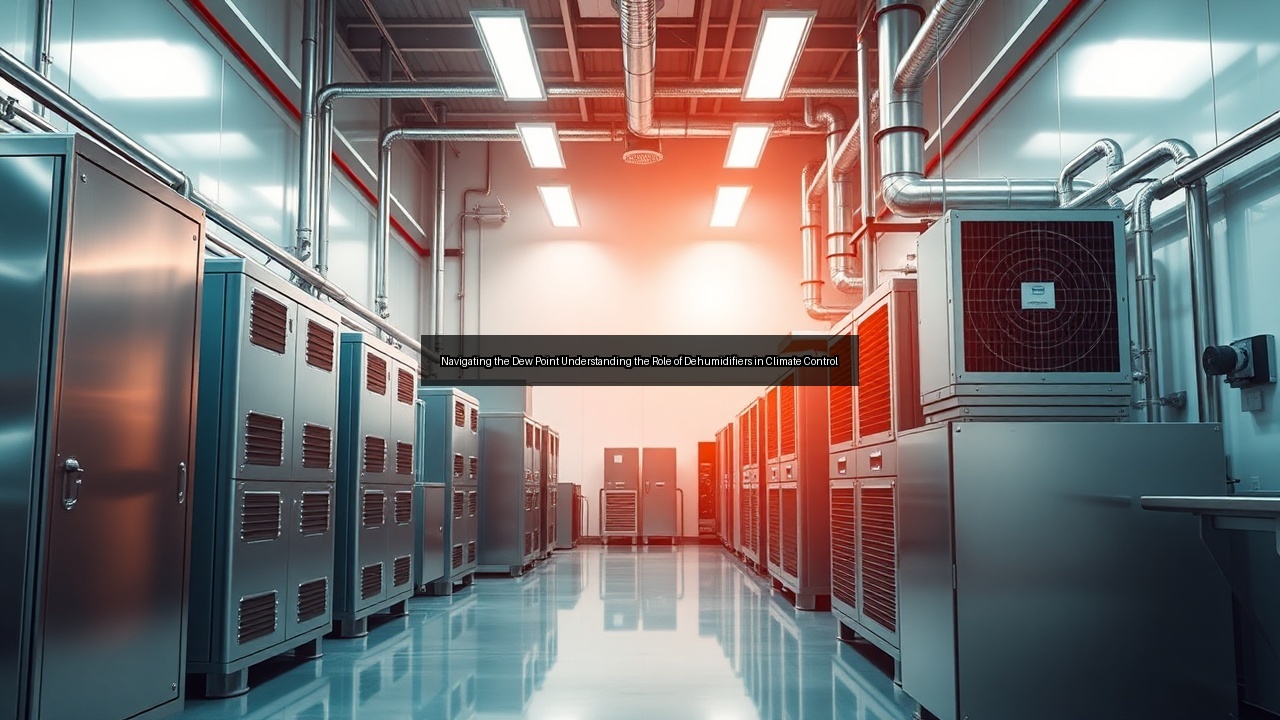
Understanding Dew Points and Air Moisture
What is Dew Point?
Dew point represents the temperature at which air becomes saturated with moisture, leading to condensation. When air cools to this temperature, water vapor transitions from a gas to a liquid state, forming dew. This measurement plays a crucial role in understanding humidity levels. A higher dew point indicates more moisture in the air, while a lower dew point signifies dryer conditions. Knowing the dew point helps individuals and industries gauge comfort levels and the likelihood of condensation forming on surfaces. For instance, in a climate-controlled environment, maintaining an optimal dew point is essential to prevent moisture-related issues such as mold or corrosion.
The Science of Humidity and Air Moisture
Humidity refers to the amount of water vapor present in the air. There are two primary measures of humidity: absolute humidity and relative humidity. Absolute humidity quantifies the actual amount of moisture in the air, while relative humidity compares the current moisture level to the maximum amount the air can hold at a given temperature. Understanding these concepts is vital for effective climate control. High humidity can lead to discomfort, health concerns, and damage to property, while too little humidity can cause dry skin and respiratory issues. Balancing air moisture is where dehumidification comes into play, making it essential for various settings, from homes to industrial facilities.
Impact of Dew Points on Indoor Climate
Dew points significantly influence indoor climate and comfort. In spaces where people work, live, or store sensitive materials, controlling dew points is vital. High dew points often lead to clammy conditions, fostering an environment conducive to mold growth and dust mites. Conversely, low dew points can cause discomfort and dry air, leading to health issues like respiratory problems. Industries such as pharmaceuticals and food packaging must monitor dew points closely to maintain product integrity and safety. By utilizing industrial dehumidifiers, these sectors can effectively manage air moisture levels, ensuring optimal conditions for both people and products.
The Role of Dehumidifiers in Climate Control
How Dehumidification Works
Dehumidification involves removing excess moisture from the air, which can be achieved through various methods. One common approach is using mechanical refrigeration, where air passes over cold coils, cools down, and condenses moisture, which is then collected and drained away. Another method involves desiccant dehumidifiers, which use materials that absorb moisture from the air. Understanding how these systems operate is essential for effective climate control. By maintaining a targeted humidity level, dehumidifiers prevent condensation, improve air quality, and enhance comfort, especially in environments where precise humidity control is necessary, such as laboratories and manufacturing facilities.
Types of Dehumidifiers: Choosing the Right One
Choosing the right dehumidifier depends on the specific needs of the environment. Portable dehumidifiers are ideal for home use or small spaces, while industrial-grade dehumidifiers are designed for larger areas, such as warehouses or manufacturing plants. These industrial dehumidifiers often feature advanced technology, including high-capacity blowers and customizable settings. When selecting a dehumidifier, consider factors such as the size of the space, the level of humidity, and specific applications. For instance, a dehumidifier for the pharmaceutical industry must meet stringent regulations, while one used in food packaging should ensure optimal moisture levels to preserve product quality.
Benefits of Industrial Dehumidifiers in Various Industries
Industrial dehumidifiers offer numerous benefits across various sectors. In manufacturing, they help maintain consistent humidity levels, preventing moisture-related damage to equipment and products. In the pharmaceutical industry, these devices ensure that sensitive materials are stored in controlled environments, reducing the risk of contamination and degradation. Additionally, in the food packaging sector, industrial dehumidifiers protect against spoilage by controlling moisture, which is crucial for extending shelf life. Overall, these systems enhance operational efficiency, protect valuable assets, and contribute to dehumidifying a healthier working environment, making them indispensable in many industrial applications.
Applications of Industrial Dehumidifiers
Dehumidifiers in the Pharmaceutical Industry
In the pharmaceutical industry, maintaining precise environmental conditions is non-negotiable. Industrial dehumidifiers play a critical role in ensuring that manufacturing and storage areas meet strict humidity requirements. Excess moisture can lead to drug degradation, affecting efficacy and safety. By employing industrial-grade dehumidifiers, pharmaceutical companies dehumidifier for industry maintain consistent dew points, protecting sensitive materials and ensuring compliance with regulatory standards. Moreover, dehumidification enhances air quality, reducing the risk of contamination during production processes. Ultimately, effective humidity control safeguards public health and ensures the integrity of pharmaceutical products.
The Importance of Dehumidification in Food Packaging
Food packaging relies heavily on humidity control to preserve freshness and extend shelf life. High humidity levels can promote mold growth and spoilage, significantly impacting product quality. Industrial dehumidifiers effectively manage moisture, creating optimal conditions for food storage and packaging. By maintaining low dew points, these systems help prevent condensation on packaging materials, reducing the risk of moisture-related damage. This is particularly crucial in industries dealing with perishable goods, where even slight humidity fluctuations can lead to significant losses. Implementing dehumidification strategies not only preserves food quality but also enhances overall operational efficiency.
Protecting Electronics with Proper Humidity Control
Electronics manufacturing and storage require strict humidity control to prevent damage. Excess moisture can lead to corrosion, short circuits, and other failures. Industrial dehumidifiers help maintain optimal humidity levels in production facilities and storage areas, ensuring that components remain in pristine condition. By monitoring dew points and employing effective dehumidification strategies, companies can protect their investments and enhance product reliability. This is particularly important in sectors like telecommunications and consumer electronics, where even minor moisture exposure can lead to significant performance issues. Proper humidity control, therefore, becomes a vital aspect of electronics manufacturing and maintenance.
Troubleshooting and Maintenance of Industrial Dehumidifiers
Common Issues and How to Troubleshoot
Maintaining industrial dehumidifiers ensures optimal performance and longevity. Common issues include decreased efficiency, unusual noises, and water leaks. Regularly checking filters for dust and debris is crucial, as clogged filters can hinder airflow and reduce effectiveness. Additionally, monitoring the drainage system for blockages helps prevent leaks and water buildup. If a dehumidifier fails to reach the desired humidity levels, inspecting the humidity sensors and settings is essential. Keeping a maintenance log can assist in identifying recurring problems and scheduling timely repairs, ensuring that the dehumidifier operates efficiently and effectively.
Best Practices for Maintaining HVAC Systems with Dehumidifiers
Integrating dehumidifiers into HVAC systems requires diligent maintenance for optimal performance. Regularly cleaning and replacing filters improves airflow and efficiency. Inspecting ductwork for leaks prevents moisture infiltration, which can compromise indoor air quality. Scheduling routine professional inspections helps identify potential issues before they escalate. Monitoring humidity levels ensures that the system operates within the desired range, and adjusting settings based on seasonal changes is essential. Proper maintenance of HVAC systems equipped with industrial dehumidifiers not only enhances energy efficiency but also improves the overall comfort and health of indoor environments.
Understanding CFM and Its Impact on Dehumidification Efficiency
Cubic Feet per Minute (CFM) measures airflow and is a critical factor in the efficiency of dehumidifiers. The higher the CFM rating, the more air a dehumidifier can process, impacting its ability to remove moisture effectively. Selecting a dehumidifier with an appropriate CFM rating for the specific environment ensures adequate moisture removal. For industrial applications, calculating the required CFM based on room size, humidity levels, and desired conditions is essential. A well-matched CFM rating optimizes the dehumidification process, providing effective climate control and preventing issues associated with excess moisture.