Enhancing Weldability in Stainless Steel Girth Welds
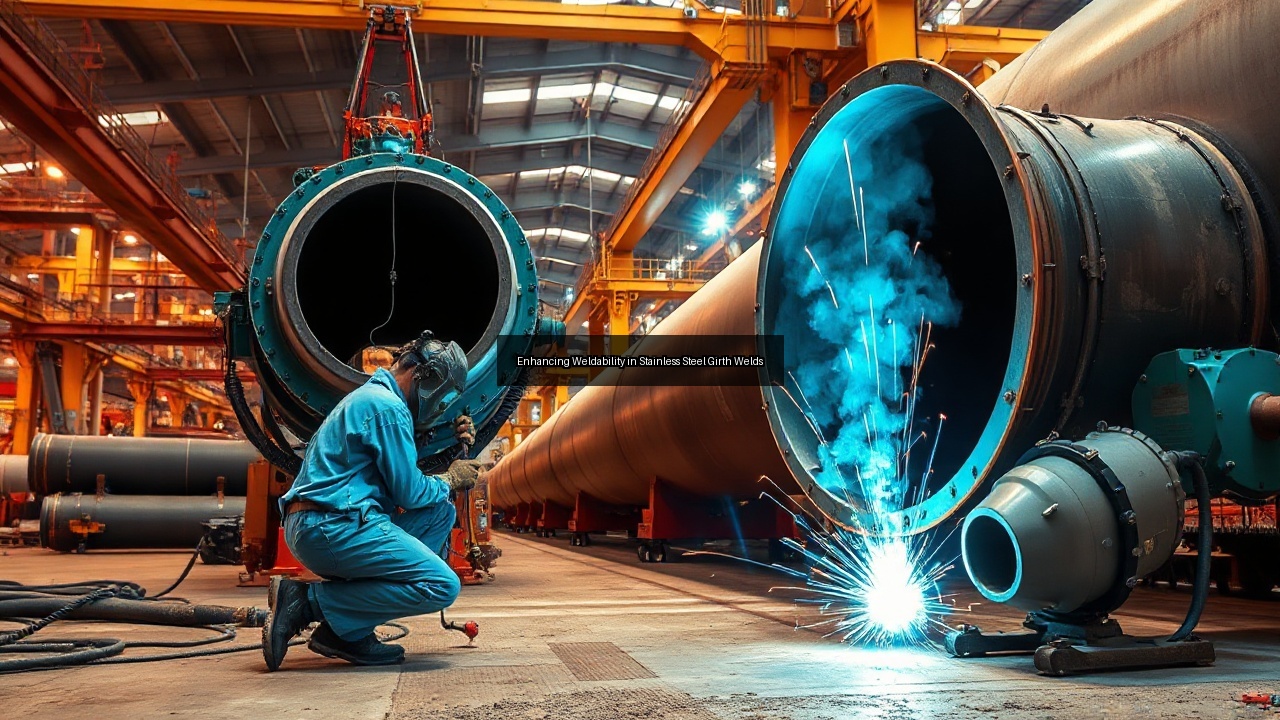
Understanding Weldability in Stainless Steel Girth Welds
Importance of Weldability in Pipeline Construction
Weldability stands as a critical factor in the construction of pipelines, particularly when it comes to stainless steel girth welds. High weldability ensures that the welded joints can withstand various stresses and environmental conditions without failing. Pipelines transport essential resources, including oil and gas, so the integrity of these welds directly affects operational safety and efficiency. When engineers focus on enhancing weldability, they contribute to the overall durability and longevity of the pipeline. This focus not only minimizes potential downtime due to repairs but also reduces maintenance costs over the pipeline's life cycle.
Factors Affecting Weldability of Stainless Steel
Several factors influence the weldability of stainless steel, particularly in girth welding applications. The composition of the stainless steel alloy plays a vital role; variations in chromium and nickel content can affect the melting and solidification characteristics. Additionally, the presence of impurities or contaminants on the surface of the steel can impede the effectiveness of the weld. Other critical factors include the welding method employed, the pre-weld preparation, and the environmental conditions during the welding process. Understanding girth weld inspection these variables enables welders and engineers to optimize their approach, ensuring high-quality welds that maintain strength and integrity throughout the pipeline's service life.
Common Welding Methods for Girth Welds
Pipeline girth welding employs various welding methods, each with unique advantages and specific applications. Shielded Metal Arc Welding (SMAW) stands out for its versatility and portability, making it suitable for fieldwork. Gas Tungsten Arc Welding (GTAW) offers excellent control over the welding process, producing high-quality welds, while Gas Metal Arc Welding (GMAW) enhances productivity with faster welding speeds. Additionally, Friction Stir Welding (FSW) is gaining traction for its ability to produce strong, defect-free joints without melting the base material. Selecting the appropriate welding method involves careful consideration of the pipeline's operating environment, material properties, and desired strength requirements.
Techniques to Enhance Weld Strength
Friction Stir Welding: A Modern Approach
Friction Stir Welding (FSW) represents a groundbreaking advancement in the field of welding, particularly for stainless steel girth welds. This solid-state process utilizes a rotating tool to generate frictional heat at the joint interface, allowing the materials to soften without reaching their melting point. The result is a weld that exhibits superior mechanical properties, including enhanced tensile and fatigue strength. FSW minimizes issues such as distortion and shrinkage, which often plague conventional welding methods. As the construction industry increasingly adopts this technique, it's crucial for welders to receive proper training to leverage the full potential of FSW in pipeline applications.
Optimizing Temperature for Better Welds
Temperature optimization plays a significant role in achieving strong and durable welds. Maintaining the correct interpass temperature prevents issues like hydrogen embrittlement and ensures proper fusion between the base materials. For stainless steel girth welds, preheating may be necessary to reduce the risk of cracking, especially in thicker sections. Conversely, excessive heat can lead to grain growth and weakened welds. Welders need to balance these temperature considerations, employing techniques such as thermal monitoring and controlled heating to ensure consistent results. Proper temperature management not only enhances weld strength but also contributes to the overall reliability of the pipeline.
Utilizing Plastic for Improved Joint Design
Integrating plastic materials into joint design can significantly enhance the performance of girth welds in pipelines. Utilizing plastic inserts or barriers can help manage thermal expansion and contraction during the welding process, reducing the risk of defects. Additionally, plastic components can provide better stress distribution across the weld joint, which contributes to increased overall strength. Engineers are exploring innovative designs that incorporate plastic to optimize the joint configuration, taking advantage of the unique properties of both stainless steel and plastic. This approach can lead to more robust and resilient welds, ensuring the longevity of pipeline systems.
Inspection and Quality Assurance of Girth Welds
Welding Inspection: Ensuring Joint Integrity
Welding inspection forms a critical component of quality assurance in girth welds. Thorough inspection protocols help identify potential defects that could compromise the integrity of the pipeline. A well-defined welding inspection procedure includes visual inspections and comprehensive assessments of weld profiles and alignment. Trained inspectors use various criteria to evaluate the quality of the welds, focusing on aspects such as penetration, bead shape, and surface finish. Implementing robust inspection measures not only ensures compliance with industry standards but also enhances the overall safety and reliability of the pipeline, mitigating risks associated with weld failures.
Non-Destructive Testing Methods for Welds
Non-destructive testing (NDT) methods play a pivotal role in assessing the quality of girth welds without compromising their integrity. Techniques such as radiographic testing, magnetic particle testing, and dye penetrant testing allow inspectors to detect flaws like cracks, porosity, and inclusions. Each NDT method has its strengths and limitations, so selecting the appropriate technique depends on the girth weld joint specific requirements of the pipeline project. By employing NDT, companies can ensure that welds meet the necessary quality standards, thereby safeguarding the pipeline against potential failures and enhancing its operational lifespan.
Ultrasonic Testing: Detecting Flaws in Girth Welds
Ultrasonic testing (UT) stands out as one of the most effective non-destructive testing methods for girth welds. This technique utilizes high-frequency sound waves to penetrate the weld and identify internal flaws that may not be visible on the surface. Inspectors can analyze the reflected sound waves to determine the presence of defects such as voids or lack of fusion. The precision of ultrasonic testing allows for accurate characterization of weld integrity, providing valuable data to welders and engineers. As pipeline safety remains paramount, integrating UT into the inspection process enhances the confidence in the strength and reliability of girth welds.
Corrosion Resistance in Pipeline Girth Welds
Understanding Corrosion in Stainless Steel
Corrosion presents a significant challenge in the maintenance of stainless steel pipelines, particularly at weld joints. While stainless steel is renowned for its corrosion resistance, the welding process can introduce changes in microstructure and composition that render these areas more susceptible to corrosion. Factors such as localized heating during the welding process can lead to the formation of chromium-depleted zones, which are vulnerable to pitting and crevice corrosion. Understanding these risks allows engineers and welders to implement preventative measures, ensuring the longevity and reliability of the pipeline.
Strategies for Enhancing Corrosion Resistance
Implementing effective strategies to enhance corrosion resistance in girth welds is essential for extending the life of pipelines. Techniques such as selecting corrosion-resistant filler materials and employing protective coatings can significantly reduce the likelihood of corrosion. Additionally, maintaining a controlled environment during the welding process minimizes contamination and other factors that contribute to corrosion. Regular inspections and monitoring of the pipeline’s condition also play a vital role in identifying corrosion early, allowing for timely remediation and maintenance. These proactive measures ensure that the pipeline remains operational and safe for its intended lifespan.
Evaluating Girth Welds for Long-Term Durability
Regular evaluation of girth welds is crucial for assessing their long-term durability and performance. Engineers and inspectors utilize a combination of visual assessments and advanced testing techniques to monitor the condition of welds over time. This ongoing evaluation process involves reviewing historical data and maintenance records to identify trends and potential issues. By implementing a comprehensive evaluation strategy, pipeline operators can make informed decisions regarding maintenance and repairs, ultimately enhancing the safety and reliability of the pipeline system. Such diligence in monitoring ensures that girth welds continue to meet the rigorous demands of pipeline construction and operation.