How Industrial Greases Reduce Friction and Enhance Longevity in High-Stress Environments
Understanding Heavy-Duty Industrial Greases
What Are Heavy-Duty Industrial Greases?
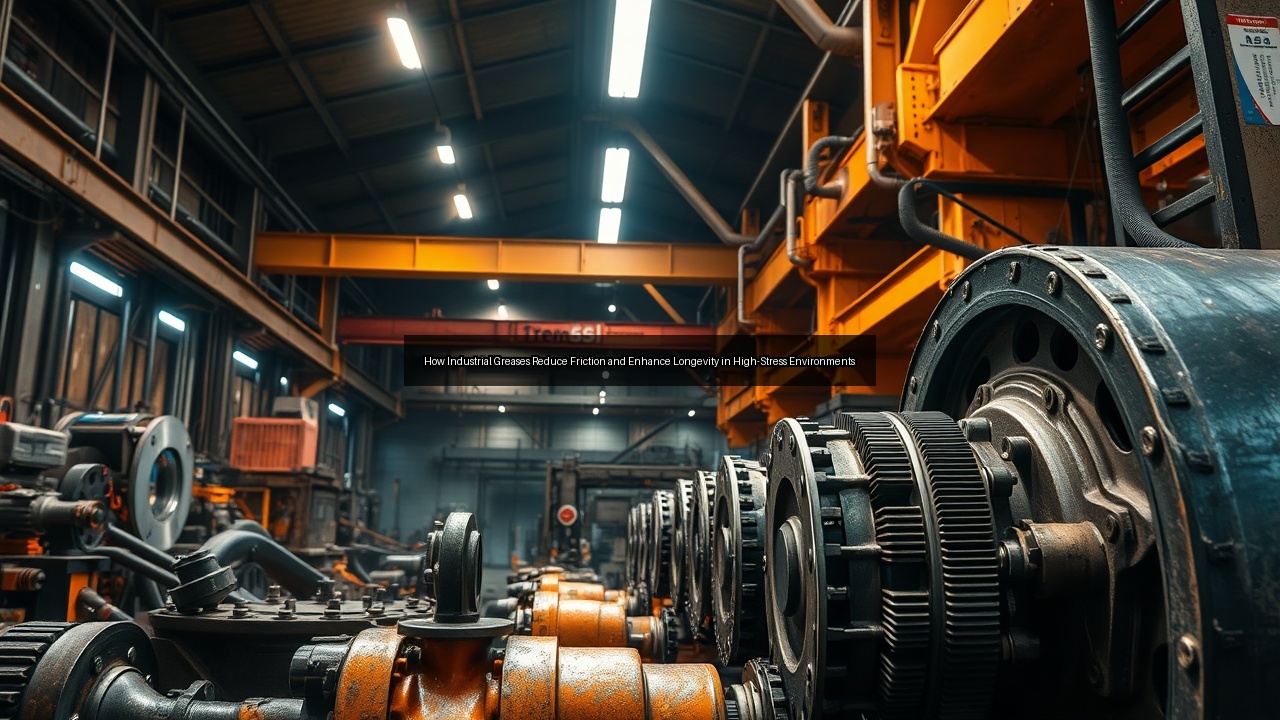
Heavy-duty industrial greases serve as essential lubricants in demanding machinery operations. These formulations coat bearings, gears, and other moving parts to maintain smooth performance under load. Operators rely on them to shield equipment from wear in factories, plants, and outdoor sites. Unlike lighter oils, heavy-duty industrial greases stay in place longer and resist displacement from vibration or motion. They protect wire rope, wheel assemblies, and engine components across extended run times. Maintenance teams apply them via cartridge systems for precise delivery without excess waste. This approach keeps tools and heavy equipment running efficiently while cutting unplanned stops. Industrial greases also block moisture and contaminants that accelerate breakdown in harsh settings.
The Composition of Industrial Greases: Calcium, Lithium, and More
Industrial greases combine base oils with thickeners such as calcium, lithium, and complex soaps to achieve desired consistency and stability. Calcium versions excel in wet conditions and resist washout on exposed surfaces. Lithium thickeners deliver strong adhesion and perform well across wide temperature ranges in everyday machinery. Some blends incorporate silicone for added flexibility or hydroxy fatty acids to boost durability under continuous stress. Additives further enhance properties like corrosion resistance and extreme pressure tolerance. Formulators balance these elements to create lubricants that handle both high loads and rapid movements. The result supports longer intervals between reapplications and reduces overall lubricant consumption in heavy equipment fleets.
Types of Heavy-Duty Greases: A Comparative Overview
Manufacturers offer multiple grease types tailored to specific operating demands. Lithium complex greases handle high temperatures and pressures effectively in gear and bearing applications. Calcium sulfonate varieties provide superior water resistance for outdoor and marine machinery. Synthetic options with silicone bases suit oven environments and high-speed tools where conventional products break down. Biodegradable greases meet stricter environmental rules in agriculture and construction zones. Each type varies in dropping point, pumpability, and load-carrying capacity. Selecting the right industrial grade greases depends on factors like speed, load, and exposure to gas or ice. Proper matching extends service life and maintains consistent lubrication across diverse industrial lubricants.
The Role of Industrial Greases in Reducing Friction
How Industrial Greases Minimize Friction in Machinery
Industrial greases form a protective film between metal surfaces to separate contact points and cut direct rubbing. This film allows bearings and gears to rotate freely even under heavy loads from mining equipment or railroad cars. Application through centralized systems ensures even coverage on wire rope and pivot points. The thick consistency prevents grease from squeezing out during operation, unlike thinner gear oils. Regular greasing maintains the barrier that absorbs shock and distributes pressure evenly. Operators notice quieter operation and lower energy draw once friction drops. Heavy-duty industrial greases also trap debris away from critical interfaces, keeping machinery cleaner over time.
The Science of Lubrication: Understanding Friction Reduction
Lubrication science centers on creating hydrodynamic or boundary films that separate surfaces and limit metal-to-metal contact. Heavy-duty industrial greases achieve this through their semi-solid structure that clings under shear forces. Lithium and calcium thickeners release base oil gradually to replenish the film during movement. Additives form sacrificial layers that handle extreme pressure without welding components together. Temperature and pressure influence film thickness, so formulations adjust viscosity to stay effective. Testing shows these greases lower coefficient of friction values significantly compared with dry running. The process converts sliding energy into manageable heat rather than destructive wear on engine and tool parts.
Impact of Friction on Equipment Longevity
Uncontrolled friction generates heat that expands parts, breaks down lubricants, and leads to scoring on bearing races and gear teeth. Over time this accelerates corrosion and fatigue failures in heavy equipment. Proper use of grease lubricants interrupts the cycle by maintaining separation and carrying away abrasive particles. Reduced friction also lowers power requirements, easing stress on motors and drives. Equipment in construction and agriculture sees measurable gains in uptime when lubrication intervals match operating conditions. Consistent application prevents premature replacement of expensive components like wheels and shafts. Long-term data confirms that optimized grease programs extend machinery life by thousands of operating hours.
Enhancing Equipment Longevity with Grease Lubricants
The Importance of Lubricating Grease in High-Stress Environments
High-stress environments expose machinery to constant vibration, shock loads, and temperature swings that rapidly degrade standard lubricants. Lubricating grease counters these forces by staying in place and sealing out contaminants. In mining and railroad applications it protects against dust and water while supporting heavy axle loads. The product maintains film strength where oils would migrate or evaporate. Operators gain reliable performance from tools and engines that otherwise face accelerated wear. Industrial greases also reduce the frequency of major overhauls, delivering direct cost savings through fewer part replacements and less downtime.
Choosing the Right Grease for Heavy Equipment
Selection begins with matching grease characteristics to equipment specifications and operating conditions. Heavy equipment in high-pressure zones requires products with extreme-pressure additives and high dropping points. Lithium complex greases often serve as versatile choices for mixed fleets. Operators review compatibility with existing seals and previous lubricants to avoid issues. Factors like speed ratings, ambient temperature, and exposure to food and beverage processing rules influence final picks. Consulting product data sheets helps identify the best industrial greases for specific bearing and gear arrangements. Correct choice prevents compatibility failures and supports maximum service intervals.
Grease Application Techniques for Maximum Efficiency
Effective application starts with clean fittings and proper quantities delivered at recommended intervals. Cartridge guns allow controlled dispensing into bearings without overpacking that causes seal damage. Automated systems meter lubricant to multiple points on large machinery, maintaining consistent coverage. Technicians monitor consumption rates to adjust schedules based on load and environment. In high-temperature oven areas, they select greases that resist bleeding while ensuring full coverage of moving parts. Regular audits confirm that grease reaches critical areas like pivot pins and wheel hubs. These techniques maximize the protective qualities of industrial greases while minimizing waste and labor.
Applications of Industrial Greases Across Industries
Industrial Greases in Mining and Construction
Mining and construction sites subject equipment to abrasive dust, heavy loads, and constant vibration. Heavy-duty industrial greases protect excavator bearings, crusher gears, and haul truck wheel hubs against these conditions. Calcium-based products resist water from washdown procedures common on site. Lithium formulations handle the high pressures encountered in drilling and loading operations. Scheduled greasing of wire rope and pivot points keeps articulated machinery responsive. These lubricants reduce heat buildup in continuous-duty engines and transmissions. Fleets report extended component life when using industrial grade greases matched to site demands.
The Use of Greases in Agriculture and Food & Beverage
Agriculture machinery such as tractors and harvesters operates in muddy, dusty fields that demand water-resistant greases. Calcium and lithium products protect bearings and linkages through seasonal cycles. In food and beverage plants, NSF-registered greases prevent contamination while lubricating conveyors and mixers. Silicone-enhanced options suit high-temperature zones near ovens and fryers. Proper lubrication cuts energy use and prevents unexpected stops during peak harvest or production periods. Both sectors benefit from greases that extend service life of critical tools and reduce maintenance costs.
Greases for High-Temperature and High-Pressure Applications
High-temperature operations in steel mills and foundries require greases with elevated dropping points to avoid melting and leakage. Lithium complex and synthetic formulations maintain film strength near ovens and furnaces. High-pressure applications in hydraulic presses and compressors call for additives that prevent scoring under extreme loads. These industrial greases also manage thermal expansion in bearings and gears. Selection considers both peak temperature and continuous operating pressure to ensure reliable performance. Proper use prevents oxidation and carbon buildup that shorten equipment life in demanding thermal environments.
Future Technologies and Innovations in Industrial Greases
Emerging Trends in Grease Lubricants
Emerging trends focus on longer-lasting formulations that reduce reapplication frequency and overall lubricant volume. Sensor-integrated systems now monitor grease condition in real time on critical machinery. Manufacturers develop greases with improved pumpability for automated delivery in cold climates or remote sites. Hybrid products combine traditional thickeners with new polymers for better adhesion under shock. These advances support predictive maintenance programs that cut unplanned downtime across industrial sectors. Adoption continues to grow as operators seek measurable gains in efficiency and component life.
The Role of Advanced Materials in Grease Production
Advanced materials such as nano-particles and specialized polymers enhance load-carrying capacity and thermal stability of modern greases. These additions create stronger boundary films on bearing and gear surfaces without increasing friction. Lithium and calcium bases receive reinforcements that improve resistance to oxidation and water washout. Research explores graphene and ceramic additives for extreme pressure performance in mining and construction equipment. The refinements allow smaller quantities of lubricant to deliver equivalent or superior protection. Resulting products extend intervals between service while maintaining machinery reliability under continuous stress.
Sustainability in Industrial Lubricants: A Look Ahead
Sustainability efforts drive development of biodegradable and low-toxicity greases that meet stricter environmental standards. Plant-based base oils and renewable thickeners replace petroleum components in many new formulations. These options reduce soil and water impact during leaks or disposal in agriculture and construction settings. Manufacturers also optimize packaging and cartridge designs to minimize waste. Performance remains comparable or superior to conventional products, encouraging broader adoption. Future lubricants will balance environmental responsibility with the durability required for high-stress industrial applications.
See Also
- Essential Guide to Choosing the Right Grease Lubricant for Your Heavy Equipment
- The Science Behind Heavy-Duty Greases and Their Role in Mining and Construction
- Unlocking the Power of Heavy-Duty Industrial Greases for Optimal Machine Performance
- Exploring Innovative Technologies in Heavy-Duty Greases for Modern Machinery Applications